Chichilla Font Review
As a web designer, I’m always on the lookout for fonts that bring personality and elegance to digital projects. Chichilla, a beautifully crafted serif font, has quickly become a favorite in my design toolkit. Its charm and refinement make it ideal for headers, hero sections, and creative branding—perfect for boutique sites, portfolio pages, and online stores looking to stand out.
First Impressions: A Serif That Speaks Volumes
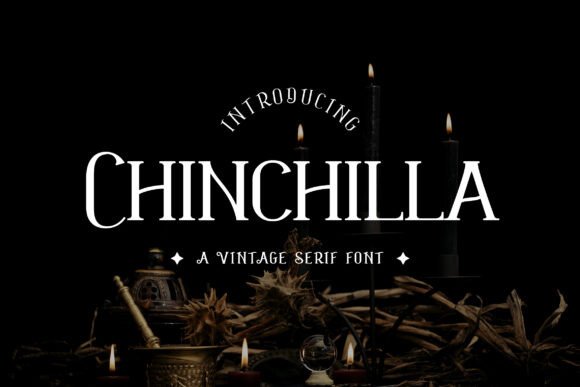
When I first tested Chichilla on a landing page, I was immediately struck by its balance of classic structure and subtle flair. The serifs are clean but not overly ornate, giving it a timeless feel that works well across both modern and traditional designs. It feels like a refined version of a vintage typeface, with just enough character to add visual interest without overwhelming the layout.
I used it on a hero section for a small online shop selling handmade candles. The font’s gentle curves and strong baseline made it highly readable even at larger sizes, while its elegant strokes added a touch of sophistication that matched the brand’s aesthetic. It wasn’t too bold, which made it versatile for different design needs.
Real-World Use: From Headers to Call-to-Action Buttons
One of the most practical uses of Chichilla is as a display font for headings and CTA buttons. On a coaching website, I paired it with a simple sans serif for body text. The contrast worked beautifully—Chichilla added a sense of authority and creativity to the headlines, while the sans serif kept the content easy to scan.
On mobile devices, Chichilla held up surprisingly well. Even at smaller sizes, the letterforms remained clear and legible. I used it for a “Sign Up Now” button on a course sales page, and it looked polished without feeling too decorative. It’s a font that can handle both large and small spaces effectively, making it a great choice for responsive layouts.
Designing for Brand Identity: Elegance Meets Versatility
For a digital brand kit, I incorporated Chichilla into the logo and social media graphics. Its refined style gave the brand a premium feel, while its versatility allowed it to work across different formats—whether on a website header or a social media post. It felt natural alongside other design elements, helping to create a cohesive look without clashing.
When designing a promotional landing page for a new product, I used Chichilla for the main title and subheadings. The font’s presence was strong but not overpowering, allowing the rest of the design to breathe. It also paired well with bold colors and minimal backgrounds, making it adaptable to various visual styles.
Readability and Accessibility: A Delicate Balance
While Chichilla is a display font, it doesn’t sacrifice readability. I tested it on dark backgrounds and found that it maintained good contrast without appearing too harsh. For light backgrounds, the font’s slightly heavier weights helped it stand out clearly.
However, I wouldn’t recommend using it for long paragraphs of body text. Its decorative elements can make dense blocks of text harder to read, especially on smaller screens. For web design, it’s best reserved for short phrases, titles, and key messages where its visual appeal can shine without compromising usability.
Font Pairing: Finding the Right Companions
Chichilla pairs exceptionally well with clean, modern sans serif fonts. On a portfolio site, I combined it with a sleek, neutral sans serif for the body copy. The result was a balanced, professional look that emphasized the designer’s work without distraction.
It also works well with other serif fonts for a more editorial feel. In a blog redesign, I used it alongside a simpler serif for subheadings, creating a layered yet cohesive typography system. For a more casual vibe, pairing it with a handwritten or script font could add an extra layer of personality to a design.
Final Thoughts: A Premium Font for Creative Web Projects
Chichilla is a standout serif font that brings elegance and charm to any digital project. Whether you're designing a boutique online store, a creative portfolio, or a marketing campaign, it offers a unique blend of style and functionality. Its adaptability makes it a valuable addition to any web designer’s toolkit, especially when the goal is to create a visually appealing and professional online presence.
Before using it on a live site, I always check the font’s licensing and file formats to ensure it’s suitable for commercial use. Chichilla’s availability in webfont formats makes it easy to integrate into websites, and its multiple weights give designers flexibility in how they apply it across different sections.
Overall, Chichilla is a font that rewards thoughtful use. With the right pairing and placement, it can elevate a website’s design and help convey the right tone and personality for any brand or project.